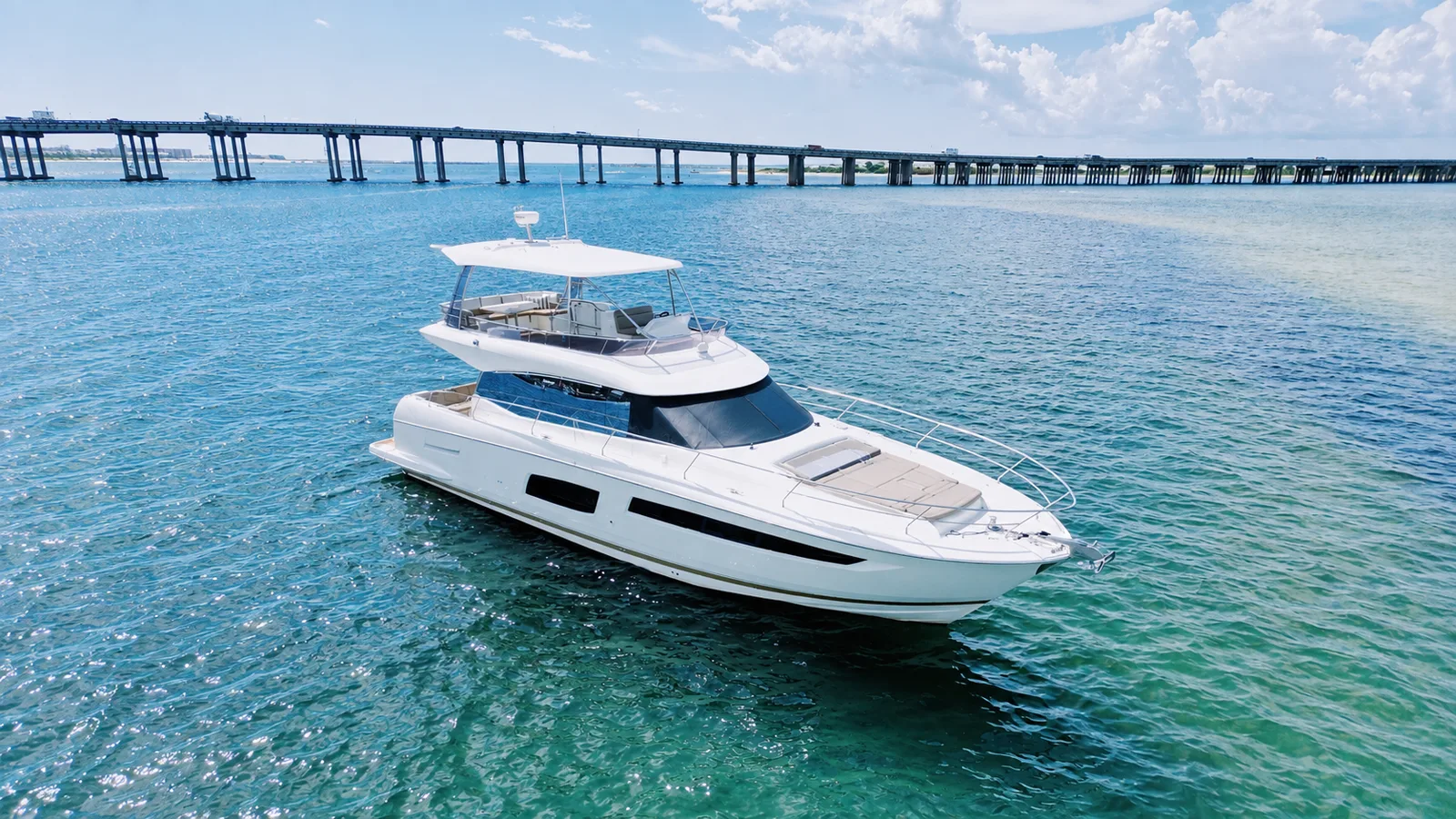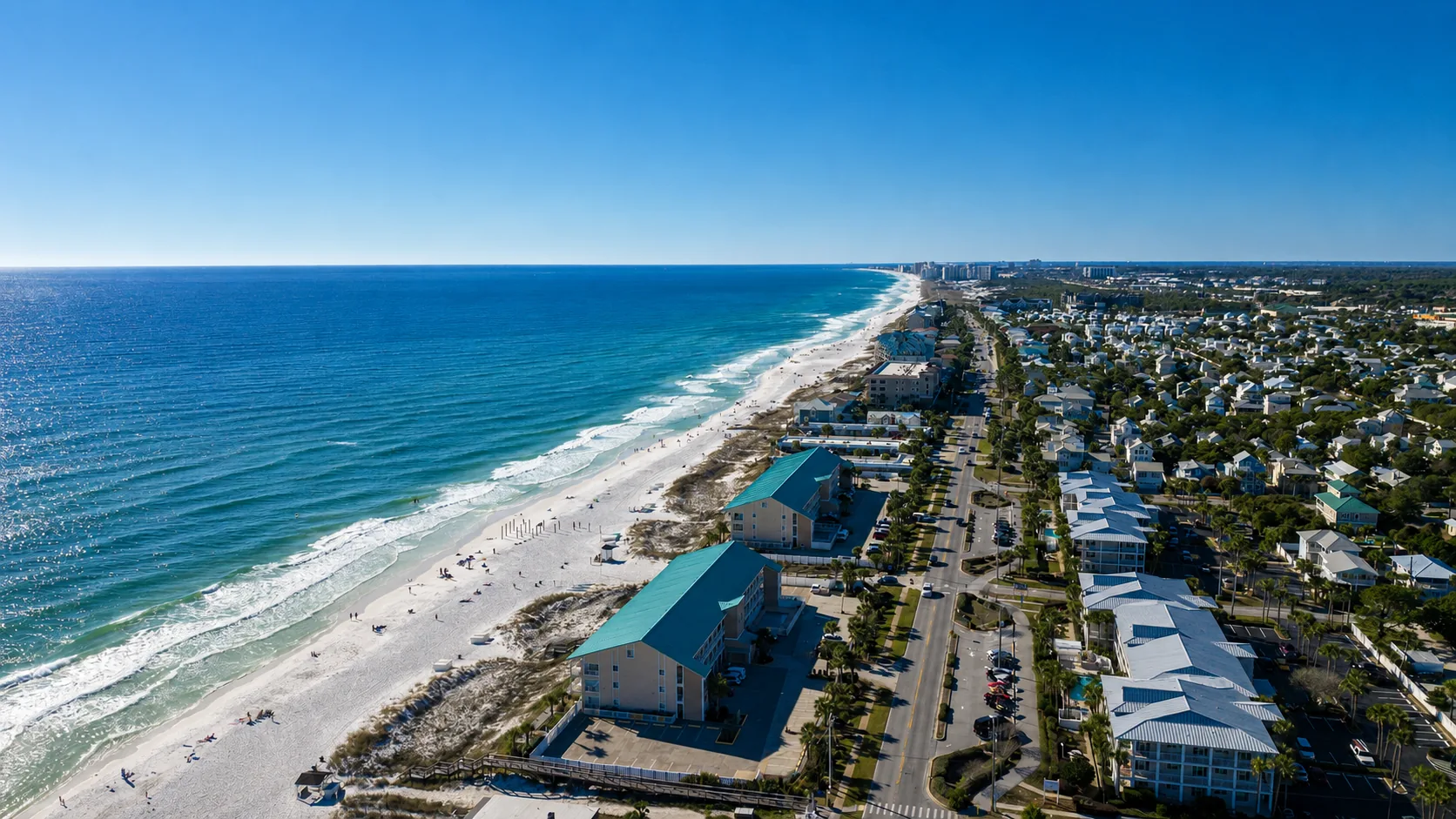
Every guest who steps aboard asks it sooner or later, usually somewhere past the harbor when the color turns up like someone adjusted a dial: Why does Destin water look so brilliantly green? Is it really that color, or is it a filter?
It’s really that green. And the reason starts a thousand miles from here, in mountains that no longer look anything like they once did.
The Mountains Under Your Feet
The story of the Emerald Coast begins at the end of the last Ice Age. Roughly 20,000 years ago, as global temperatures rose and the ice caps melted, enormous volumes of water poured down from the Appalachian Mountains, and the Apalachicola River carried quartz particles from that ancient rock all the way to the Gulf. Those quartz sands were deposited just east of what is now Destin, and as sea levels rose, they formed a new shoreline.
That’s what you’re standing on at the Crab Island sandbar. Destin’s sand is roughly 97 to 98 percent pure quartz crystal, ground fine as powdered sugar over thousands of years of tumbling downstream. It’s why the sand squeaks under your feet and stays cool at high noon: the mineral reflects the sun’s heat instead of absorbing it.
Why Quartz Makes Water Glow
Here’s the part most people never hear. The green isn’t in the water. It’s a collaboration between water, sand, and light. Sunlight reflects off microscopic white quartz particles in the shallow Gulf, scattering the light in a way that produces that signature jewel toned glow. The gleaming white seafloor acts like a reflector panel, and in full sun it intensifies the emerald color of the nearshore depths.
Clarity does the rest. This stretch of coast has unusually low river sediment runoff, and Choctawhatchee Bay naturally filters drainage before it flows out through East Pass into the Gulf, so the water stays clean enough for light to reach the sand and bounce back up. Darker, coarser sand coastlines can’t do this. Ours can, every clear day of the year.
When the Emerald Is at Its Most Emerald
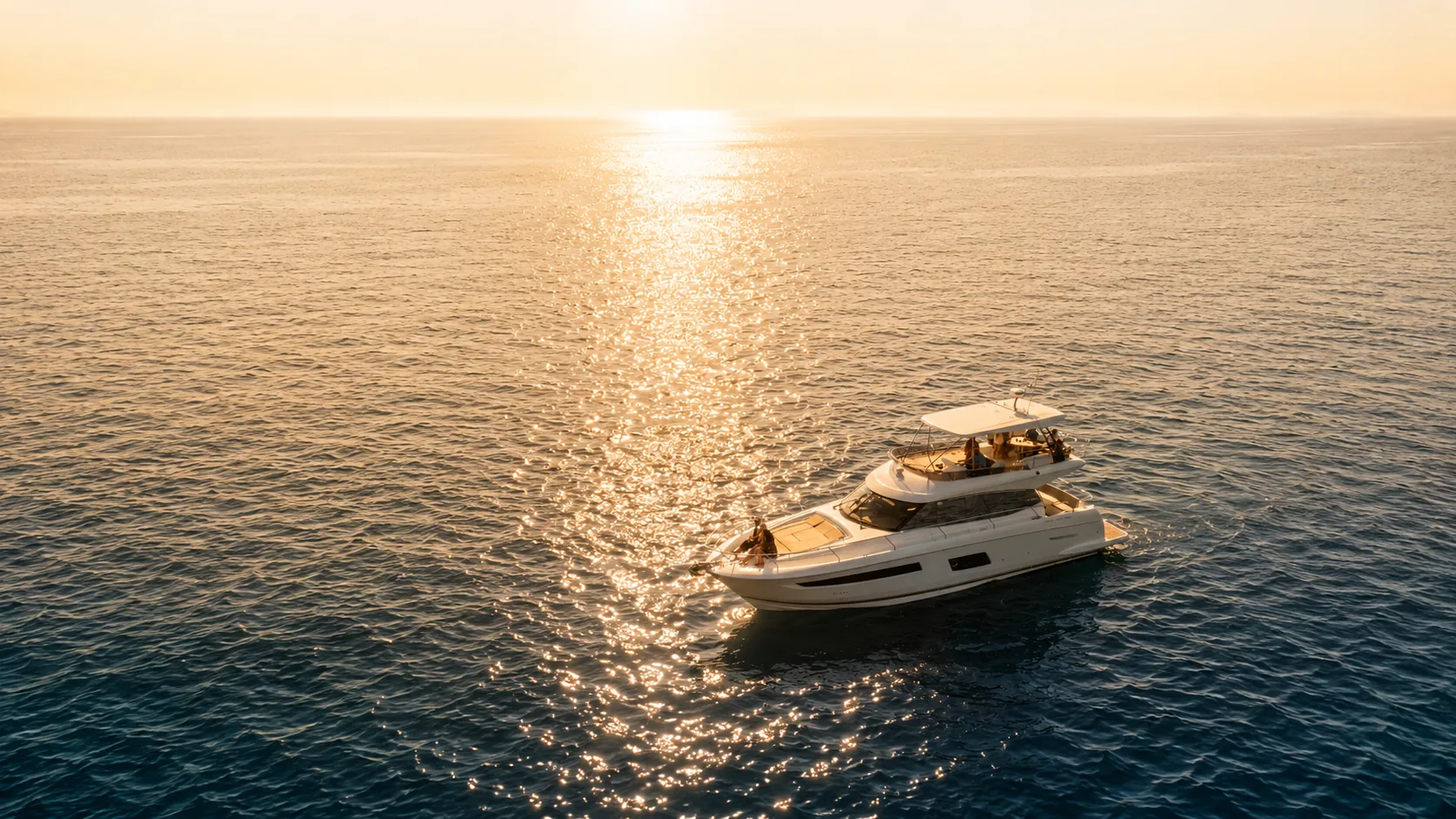
The color is dynamic, and once you know its schedule you can plan a charter around it. The green is most vivid on sunny, calm days, roughly between late morning and early afternoon, when the sun sits high enough to hit the white quartz bottom at the perfect angle. Early mornings lean turquoise, and overcast skies soften everything toward muted blues.
Season matters less than people assume; it’s more about sun angle and sea state than the calendar. A calm, cloudless day in October can outglow a choppy day in June. That’s one of the quiet advantages of being on a boat instead of a beach towel: your captain can position you over the clearest water that day, whether that’s the sandbar shallows or a stretch of 30A coastline where the gradient rolls from deep green to pale glass.
Seeing It the Way It Deserves
From the sand, you get one angle. From the flybridge of a yacht idling over it, you get the whole spectrum at once, emerald to turquoise to white, shifting under you as the depth changes. It’s the single most photographed thing our guests capture, and the photos still don’t do it justice.
Twenty thousand years of geology conspired to make this water. The least we can do is go float on it.
Ready to see it from the water? Book your Destin charter and experience the Emerald Coast the way it’s meant to be seen, or read our guide to the best time to book a Destin charter first.